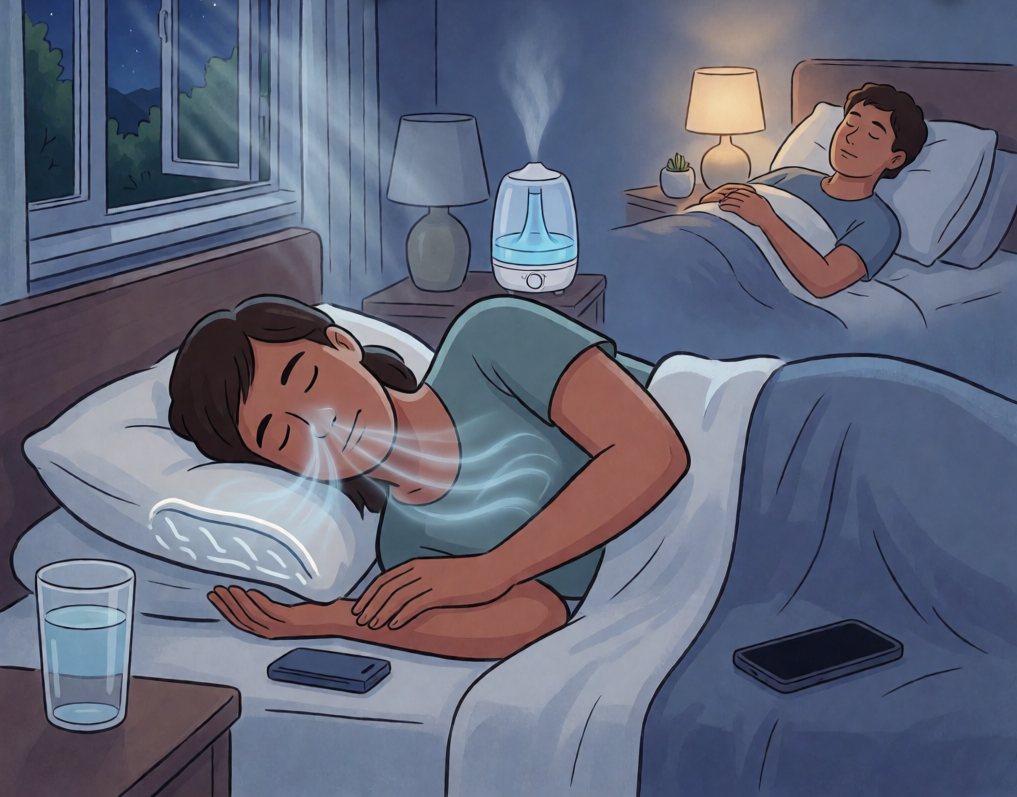
Snoring is common. For some people, it is an occasional sound after a long day, a cold, or a few drinks. For others, it happens most nights and affects not only their own sleep, but also the sleep of the person beside them.
Although snoring is often treated as a joke, it can sometimes point to a breathing issue that deserves attention. Loud, regular snoring, choking sounds, gasping, or pauses in breathing during sleep are not things to ignore—especially if they are paired with daytime tiredness, morning headaches, or trouble concentrating.
The good news is that there are practical steps you can take to improve sleep comfort and understand when it may be time to speak with a healthcare professional.
Why Do People Snore?
Snoring happens when air has difficulty moving freely through the nose, mouth, or throat during sleep. As you relax, the soft tissues in the airway can narrow and vibrate as air passes through them. That vibration creates the familiar snoring sound.
Many things can make snoring more likely, including:
- Sleeping on your back
- Nasal congestion from allergies or a cold
- Drinking alcohol close to bedtime
- Smoking
- Being very tired or sleep deprived
- Certain medicines that make you sleepy
- Weight gain, particularly around the neck
- The natural shape of the nose, jaw, throat, or airway
- Getting older, as throat muscles can become less firm over time
Snoring can vary from night to night. You may only notice it when you are unwell, sleeping somewhere unfamiliar, or particularly exhausted. But frequent snoring is worth paying closer attention to, especially if someone notices changes in your breathing.
The Difference Between Snoring and Sleep Apnoea
Not everyone who snores has sleep apnoea. However, snoring can be one sign of it.
Obstructive sleep apnoea is a condition where the airway partly or fully closes repeatedly during sleep. Breathing may briefly stop, then restart with a snort, gasp, choking sound, or louder breath. These pauses can happen many times in one night, often without the person remembering them in the morning.
When breathing is interrupted, the body may briefly wake enough to reopen the airway. These awakenings can be so short that you do not realise they happened, but they can still break up your sleep and reduce how rested you feel.
Possible signs of sleep apnoea include:
- Loud, frequent snoring
- Witnessed pauses in breathing
- Gasping, choking, or snorting during sleep
- Waking with a dry mouth or sore throat
- Morning headaches
- Feeling unrefreshed despite spending enough time in bed
- Excessive daytime sleepiness
- Trouble concentrating or remembering things
- Irritability, low mood, or reduced patience
- Waking often to use the bathroom at night
A sleeping partner may notice some of these signs before you do. If someone has told you that you stop breathing in your sleep, take it seriously and arrange a medical appointment.
Why Nighttime Breathing Matters
Good sleep is not only about how many hours you spend in bed. Your breathing needs to remain steady enough for your body and brain to move through normal sleep stages.
Repeated breathing disruptions may leave you feeling as though you barely slept, even after seven, eight, or more hours in bed. You might wake tired, reach for caffeine early, struggle through afternoon tiredness, or find yourself feeling unusually short-tempered.
Sleepiness can also affect safety. If you regularly feel drowsy while driving, working, caring for children, or using equipment, seek medical advice promptly. Never push through severe sleepiness behind the wheel.
Breathing concerns during sleep are particularly important to discuss with a healthcare professional if you have high blood pressure, heart problems, diabetes, or other ongoing health conditions.
Simple Changes That May Help Mild Snoring
If your snoring is occasional and you do not have warning signs such as gasping or breathing pauses, a few adjustments may help make nights quieter and more comfortable.
Try sleeping on your side
Back sleeping can allow the tongue and soft tissues in the throat to fall backwards, narrowing the airway. Side sleeping may reduce snoring for some people.
You can make side sleeping easier by placing a pillow behind your back, using a long body pillow, or choosing bedding that helps you stay in a comfortable position.
Keep nasal passages as clear as possible
A blocked nose can make it harder to breathe comfortably at night and may lead to mouth breathing or louder snoring.
If allergies are a factor, try reducing bedroom triggers where possible. Regularly washing bedding, keeping pets out of the bedroom if needed, and vacuuming can help some people. A saline nasal rinse or spray may also be useful for temporary congestion, but check with a pharmacist or healthcare professional before using medicated nasal sprays regularly.
Review your evening alcohol habits
Alcohol can relax the muscles in the throat and make snoring worse. If you drink, consider avoiding alcohol in the hours before bed and notice whether it changes your sleep.
Keep a regular sleep routine
Being overtired can make snoring louder for some people. A more consistent sleep schedule may help you avoid reaching bedtime completely exhausted.
Aim for a wind-down routine that feels realistic: dimmer lights, a calmer activity, a warm shower, gentle stretching, reading, or writing tomorrow’s to-do list before getting into bed.
Consider bedroom comfort
A bedroom that is too warm, dry, noisy, or dusty can make sleep harder. Small changes may support easier breathing and better rest:
- Keep the room comfortably cool
- Wash sheets regularly
- Replace bedding if it collects dust easily
- Raise your head slightly if it feels more comfortable
- Use a supportive pillow that keeps your neck in a neutral position
No pillow or product can diagnose or treat sleep apnoea, but comfort changes may help with simple positional snoring.
Things to Be Careful With
There are many products marketed for snoring, from mouthpieces and nasal strips to sprays and special pillows. Some people find certain products helpful, but results vary widely.
Be cautious of any product that promises to “cure” snoring overnight or claims to treat sleep apnoea without medical assessment. Snoring can have different causes, and a solution that works for one person may be ineffective—or unsuitable—for someone else.
If you are considering a mouthpiece or dental device, it is wise to speak with a dentist or sleep specialist first. Poorly fitted devices can cause jaw discomfort, tooth movement, or bite problems.
When to Speak With a Healthcare Professional
It is a good idea to seek medical advice if snoring is loud, frequent, getting worse, or disrupting your daily life. You should also speak with a healthcare professional if you experience:
- Breathing pauses observed by another person
- Gasping, choking, or struggling to breathe during sleep
- Severe tiredness during the day
- Drowsiness while driving
- Regular morning headaches
- Difficulty concentrating or memory changes
- High blood pressure alongside snoring
- Nighttime chest pain or unusual shortness of breath
A clinician may ask about your sleep patterns, health history, medicines, and daytime symptoms. They may also recommend a sleep assessment. This can sometimes be done at home using equipment that monitors breathing and oxygen levels overnight, though the right approach depends on your situation.
Getting checked does not mean something is necessarily seriously wrong. It is simply a useful way to understand what is happening and find the most suitable next step.
Supporting a Partner Who Snores
Sharing a bed with someone who snores can be difficult. Broken sleep can affect both people, and frustration often builds when neither person feels rested.
Try to approach the conversation during the day, rather than in the middle of a sleepless night. Focus on concern and teamwork rather than blame. For example: “I’ve noticed you seem to be gasping sometimes when you sleep, and I’m worried you are not getting proper rest.”
Earplugs, white noise, or sleeping separately on occasion may offer temporary relief, but they should not replace medical advice if there are signs of disrupted breathing.
A Quieter Night Starts With Paying Attention
Occasional snoring is often harmless, particularly during a cold or after an unusually tiring day. But loud, persistent snoring and disturbed breathing deserve more than a shrug.
Listen to what your sleep is telling you. Notice how you feel in the morning, ask a partner what they observe overnight, and do not ignore symptoms that affect your energy, mood, concentration, or safety.
Better sleep sometimes starts with a simple change, such as side sleeping or clearing nasal congestion. In other cases, the most helpful next step is a conversation with a healthcare professional. Either way, taking nighttime breathing seriously is an important part of looking after your rest—and your overall wellbeing.