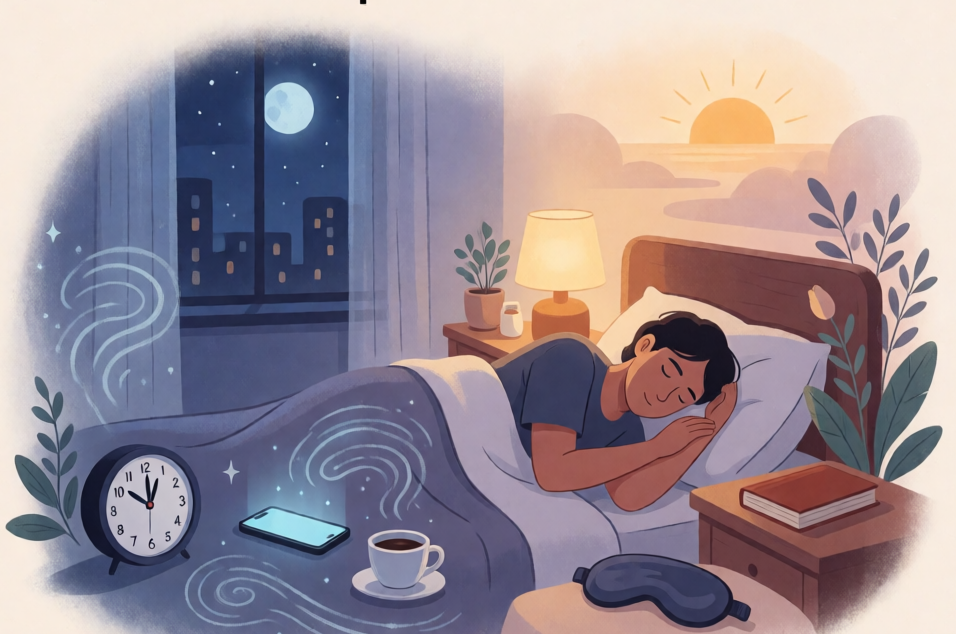
A bad night can happen to anyone. Maybe you stayed up late, had a stressful day, slept somewhere unfamiliar, or were disturbed by noise, heat, children, pets, or a snoring partner. One poor night does not necessarily mean there is a serious problem.
But when poor sleep becomes frequent, it can affect much more than how tired you feel in the morning. It may affect concentration, mood, work, relationships, appetite, motivation, and your ability to cope with normal daily pressure.
Sleep problems are not always obvious. Some people know they cannot fall asleep, while others sleep for many hours yet still wake feeling drained. Paying attention to the pattern can help you decide whether a few practical changes may help—or whether it is time to speak with a healthcare professional.
Here are ten signs that your sleep may need more attention.
You regularly take a long time to fall asleep
Most people do not fall asleep the instant their head touches the pillow. A little time to relax is completely normal. But if you often lie awake for a long time, especially several nights each week, it may be worth looking at what is keeping you alert.
Your thoughts may race as soon as the lights go out. You may replay the day, worry about tomorrow, think about tasks you have forgotten, or become frustrated because you are still awake.
A simple pre-bed routine can help reduce this mental carry-over. Try giving yourself a short period to slow down before bed. Write down tomorrow’s tasks, dim the lights, avoid work emails, and choose a calming activity such as reading, gentle stretching, or listening to quiet audio.
You wake repeatedly during the night
Waking briefly between sleep cycles is normal, even if you do not remember it. The concern is not waking at all—it is waking fully and struggling to get back to sleep.
Frequent waking may be linked to a bedroom that is too warm, noise outside, discomfort, pain, reflux, a need to use the bathroom, stress, or a partner’s movement or snoring. Alcohol can also interrupt sleep later in the night, even if it initially makes you feel drowsy.
Start with the practical basics. Check the temperature of your bedroom, reduce light where possible, consider whether your bedding is comfortable, and look for sources of sound that could be disturbing you.
If you wake often with gasping, choking, breathlessness, or loud snoring, speak with a healthcare professional. These symptoms can need proper assessment.
You wake too early and cannot return to sleep
Waking before your alarm once in a while is not unusual. However, regularly waking much earlier than intended and lying awake for the rest of the morning can leave you feeling exhausted.
Early waking can happen when stress is high, when your routine changes, or when you have developed the habit of checking the time and worrying about lost sleep. For some people, it may also occur alongside low mood or anxiety.
If this happens, try not to start calculating how many hours of sleep remain. Turn the clock away if possible. If you are awake for a while and feel increasingly frustrated, get up briefly and do something quiet in low light until you feel sleepy again.
You wake feeling tired, no matter how long you sleep
Sleeping longer does not always mean sleeping well. You might spend plenty of time in bed but still wake with heavy eyes, low energy, brain fog, or a strong need for caffeine.
There are many possible reasons for unrefreshing sleep. Your rest may be interrupted without you fully realising it. Your sleep schedule may be irregular, your room may be uncomfortable, or your body may not be getting enough restorative sleep.
Keep an eye on symptoms such as loud snoring, morning headaches, dry mouth, waking gasping for air, or extreme sleepiness during the day. These are important reasons to seek medical advice rather than relying only on sleep tips.
You rely on caffeine just to get through the day
A morning coffee is part of daily life for many people and does not automatically mean there is a sleep problem. But if you need repeated coffees, energy drinks, strong tea, or caffeine tablets simply to remain alert, it may be a sign you are not getting the rest you need.
Caffeine can then create a difficult pattern: you use it to push through tiredness, but having it too late may make it harder to sleep that night.
Try tracking when you have caffeine for a few days. If you notice afternoon or evening caffeine, experiment with moving your last caffeinated drink earlier. You do not have to make dramatic changes; even a small adjustment can help some people.
Your mood is affected by poor sleep
Sleep and mood are closely connected. After a poor night, you may feel more irritable, emotional, impatient, worried, or less able to handle small setbacks. Everyday tasks can feel heavier than usual.
At the same time, stress and low mood can make it harder to sleep. This can create a loop where each problem makes the other worse.
If worry is keeping you awake, set aside a short “thinking time” earlier in the evening. Write down concerns and any next steps you can take. This will not solve every worry, but it can reduce the pressure to solve everything at 2 AM.
If low mood, anxiety, panic, or distress feels persistent or overwhelming, reach out to a qualified healthcare professional or mental health service.
You fall asleep unintentionally during the day
Dozing off during television, on public transport, or after a large meal can happen occasionally. But regularly falling asleep when you do not mean to—especially at work, during conversations, or while driving—is not something to ignore.
Severe daytime sleepiness can affect safety. Do not drive or operate machinery if you are struggling to stay awake.
Unintended daytime sleep can be linked to chronic sleep loss, disrupted sleep, medication, sleep-related breathing concerns, or other health issues. Speak with a healthcare professional if this is happening frequently.
Your bedroom does not feel restful
Your sleep environment does not have to look like a hotel room. It simply needs to support comfort and relaxation.
Think about what happens when you get into bed. Is the room too hot? Is there streetlight coming through the window? Does your mattress feel unsupportive? Are you constantly disturbed by notifications? Is your pillow uncomfortable? Does your partner’s snoring keep you awake?
Small adjustments may make your bedroom more sleep-friendly:
- Keep the room comfortably cool.
- Use blinds, curtains, an eye mask, or earplugs if appropriate.
- Put your phone on silent or charge it away from the bed.
- Use bedding that suits the season.
- Consider whether your pillow and mattress are still comfortable.
- Reduce clutter or bright lighting if it makes the space feel busy.
Choose one change rather than trying to rebuild your entire bedroom overnight.
You dread going to bed
When sleepless nights happen repeatedly, bedtime can begin to feel stressful. You may feel anxious as evening approaches, knowing you will be tired but worried that sleep will not come.
This is understandable, but it can make the body more alert exactly when you want to settle down. Try to make your evening routine less focused on “achieving sleep.” Instead, focus on quiet, restful activities that feel pleasant and repeatable.
You cannot force sleep. What you can do is give yourself the best possible conditions for it: a calmer mind, a comfortable space, and a consistent routine.
Your sleep problem has lasted for weeks or months
It is sensible to seek support when sleep difficulties become long-lasting, even if they do not seem severe enough to be an emergency. You do not need to wait until you are completely exhausted.
A healthcare professional can help consider possible causes, including stress, mental health, medication, pain, hormonal changes, breathing problems, or other conditions. They can also advise on suitable support and next steps.
Seek medical advice promptly if you have loud snoring with breathing pauses, wake choking or gasping, have severe daytime sleepiness, chest pain, persistent morning headaches, or any symptom that worries you.
A Better Night Can Start Small
Sleep problems can feel overwhelming, particularly when you have tried many tips without finding one that works. Be patient with yourself. Sleep is affected by many parts of daily life, and improvement often happens gradually rather than all at once.
Start with one manageable change this week. You might:
- Keep the same wake-up time most days.
- Take a short walk outside in morning daylight.
- Move your last coffee earlier in the day.
- Create a 20-minute screen-free wind-down routine.
- Make your bedroom cooler, darker, or quieter.
- Write down worries and tasks before getting into bed.
A calmer night does not require perfection. Small changes, repeated consistently, can help you build a routine that supports better rest over time.